

Every so often we get an email that’s more interesting than the usual “what time do you open?” A customer recently sent us a list of questions about how an arcade actually runs behind the scenes. Broken cabinets, whether four player games really get four players, whether we track play counts, how we handle “grown-up” titles with kids in the building, and whether the beer is secretly paying for everything.
Good questions. Honest answers below.
ONE: What percentage of cabinets are typically out of order (to such a degree that it is unplayable)?
Typically? Zero. On rare occasions, one.
We fix most breakdowns within a few minutes of spotting them. Sometimes we can’t, usually when several games decide to break at once. We’re convinced they talk to each other and go on strike together. Ha!
If we don’t have the part on hand, we pull the game off the floor and swap in one of our ready-to-go backups. A few cabinets are simply too big to move off the floor, like Halo and Walking Dead. When one of those goes down, we expedite parts and get it back in service fast, usually within a day or two.

TWO: Are 4-player cabinets often played in 3-4 player in arcades, or is it mostly 1-2 player? How often is it played in 3-4 player relative to with fewer players?
If I’m reading this right, you’re asking whether four people actually play four player games together. Absolutely. Four people crowded around a cabinet is an everyday sight here, especially with friend groups and families.
We push people toward four player games on purpose. Playing shoulder to shoulder with other humans is a huge part of what makes an arcade an arcade.
THREE: Can the arcade owner see how much the individual games were played?
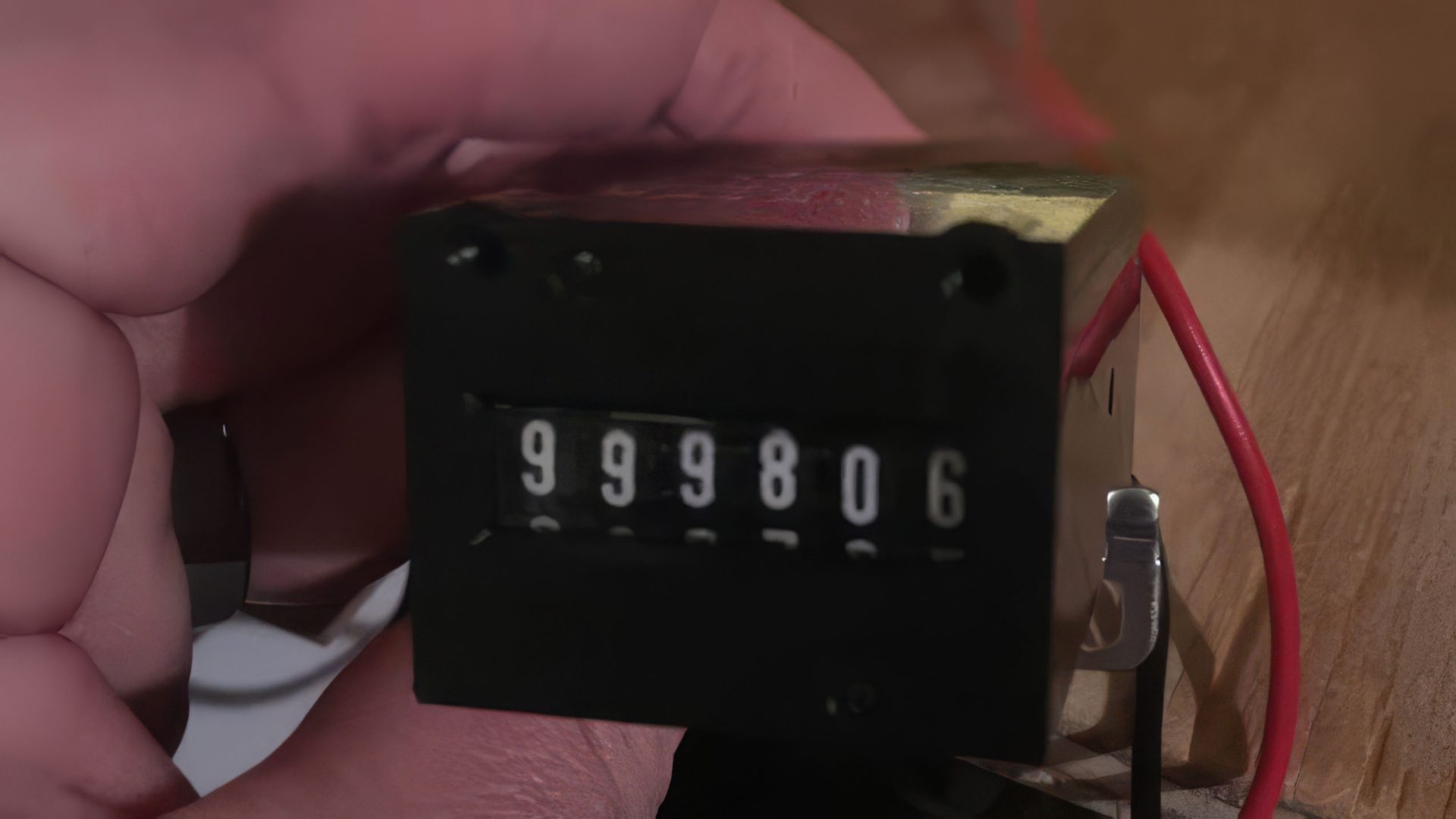
Depends on the game. Some retro cabinets have a mechanical counter inside the coin door. Plenty have nothing at all. Every modern game has an accounting page, and many report data straight to a website or an arcade management system.
The better question is whether it matters. People ask us all the time if we remove games with low play counts, and that call is far more complicated than it looks. We would never pull Pac-Man off the floor, even if it only got one play a day. Pac-Man is part of the vibe we’re building. Plenty of guests walk in planning to play their childhood favorites, then discover a modern game or a pinball machine and spend the rest of the night on that instead.
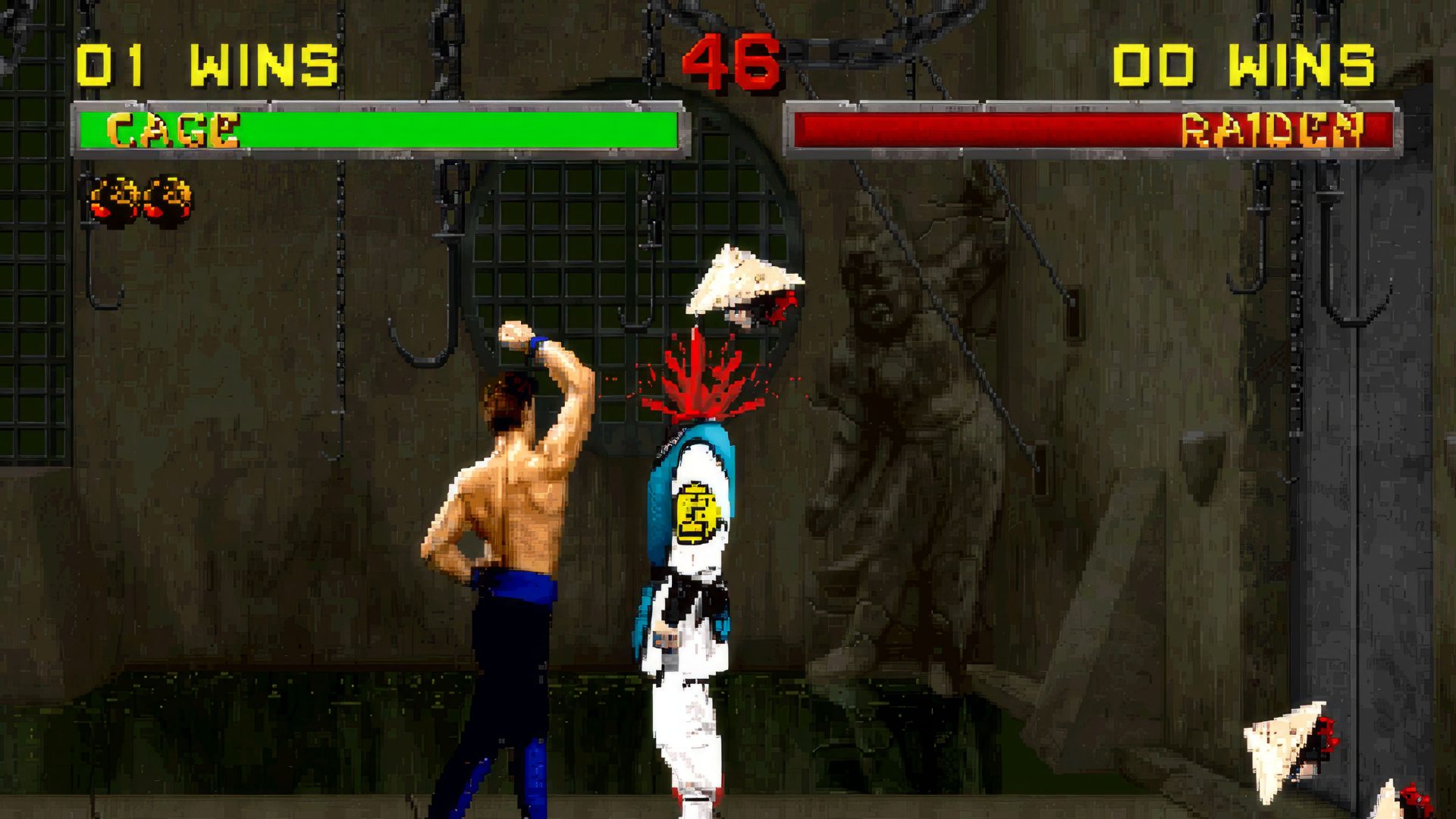
FOUR: If an arcade has a violent game like Mortal Kombat 2, but allow children in the early hours, do they turn that game off or something?
We don’t turn any games off for kids, and we don’t disable the gore either. Some games let you switch blood and violence off in the settings, Mortal Kombat 2 included. We leave them the way they shipped.
At Time Rift, parents supervise their kids and decide what’s appropriate. That’s not a job we’re going to take over for them. We do require anyone under 15 to be escorted by a parent or guardian. Beyond that, we don’t censor or police what anyone plays.

FIVE: Be honest. You make all of your money from alcohol sales right?
Quite the opposite. If that were true, we’d actually be in violation of our alcohol permits.
Between the city, the county, and TABC, we’re required to keep alcohol under 30% of total revenue. Time Rift is an arcade that sells beer. We are not a bar with arcade machines in it. That sounds like splitting hairs, but operationally it’s a massive difference. Our focus is running the best arcade we can in the space we have, then adding food and drinks on top of it.
We do go 21+ after 8 PM. That’s partly to protect kids, and partly to give adults their own time with the games.
Honest Answers to Your Questions
That’s the honest version. No marketing spin!
If you’ve got a question we didn’t cover, send it our way. We’ll answer it the same way we answered these. Better yet, come see the answers for yourself!
Time Rift Arcade is at 2113 Harwood Rd in Bedford, free play all day, hundreds of games, pinball, and a kitchen that turns out a solid pizza.